
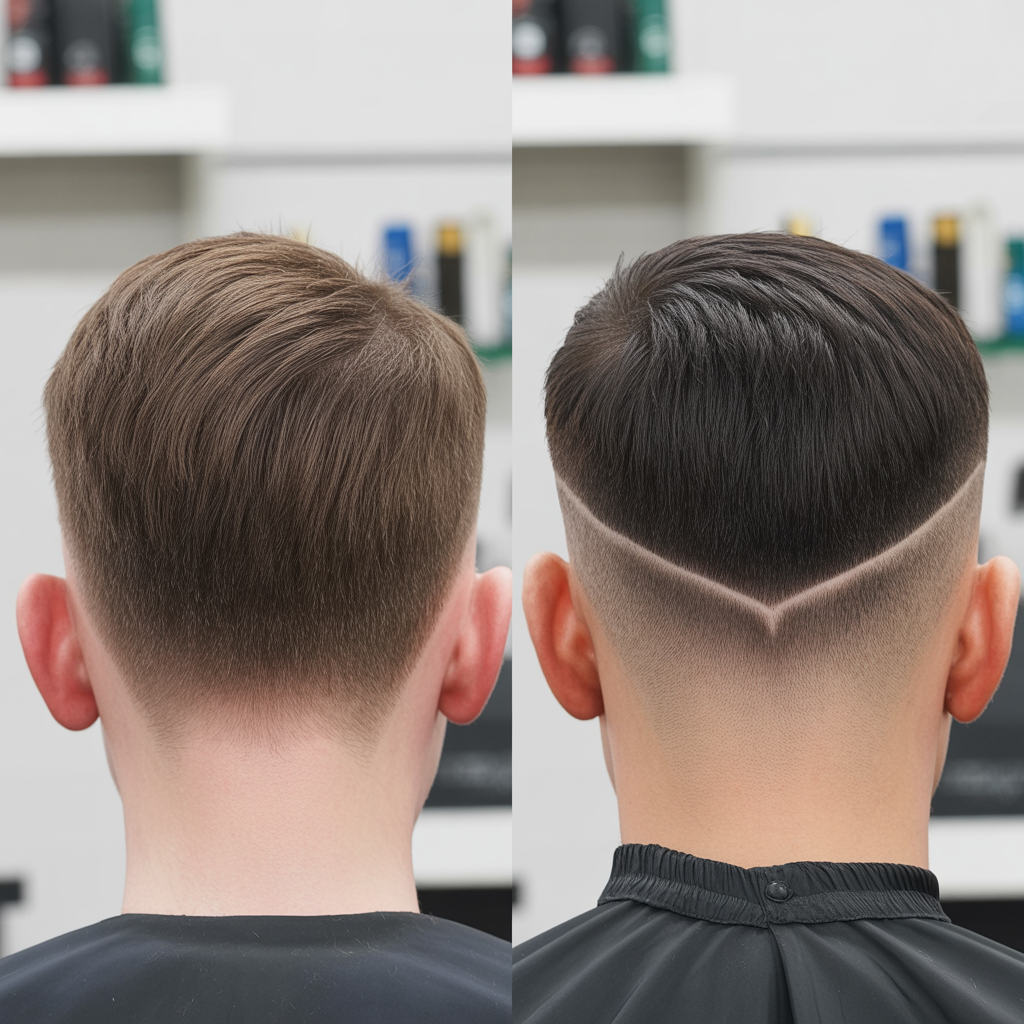
When you’re sitting in the barber’s chair trying to decide between a taper fade and a skin fade, the choice might seem straightforward—but these two popular cuts offer distinctly different aesthetics, maintenance requirements, and styling possibilities. Understanding the nuances between a taper fade vs. skin fade can mean the difference between a haircut that perfectly complements your lifestyle and one that demands more upkeep than you bargained for.
As someone who’s spent years observing haircut trends and speaking with professional barbers across the UK, I’ve noticed that confusion around fade terminology remains surprisingly common. Both cuts have surged in popularity over the past decade, but they serve different purposes and suit different preferences. Let’s break down exactly what separates these two styles and help you make an informed decision for your next appointment.
Taper Fade vs. Skin Fade

Understanding the Fundamental Difference
The primary distinction between a taper fade and a skin fade lies in how short the hair goes at its shortest point. A taper fade gradually decreases in length but typically doesn’t go down to the skin, leaving a slight shadow of hair at the baseline. This creates a softer, more subtle transition that many professionals prefer for workplace-appropriate styles.
In contrast, a skin fade (also called a bald fade) takes the hair down to bare skin, creating a more dramatic, high-contrast look. “The skin fade is essentially where we take the hair right down to the scalp using a razor or the closest clipper guard,” explains Marcus Thompson, a master barber with 15 years of experience at a prominent London barbershop. “It’s a bolder statement and requires more precision to execute properly.”
The visual impact differs significantly. Taper fades offer a classic, timeless appearance that photographs well in professional settings, whilst skin fades deliver a sharper, more contemporary edge that’s become synonymous with modern men’s grooming.
The Technical Execution: What Your Barber Does Differently
From a technical standpoint, both cuts require skill, but skin fades demand additional expertise and time. A taper fade typically uses clipper guards ranging from a #3 or #4 at the top of the fade down to a #1 or #2 at the shortest point. The barber creates smooth transitions between these lengths, blending carefully to eliminate harsh lines.
Skin fades require a more intricate approach. After establishing the initial fade with clippers, the barber must use either a foil shaver or a razor to remove the remaining hair at the baseline completely. “The skin fade adds about 10-15 minutes to the service,” notes Thompson. “You’re essentially doing a taper fade first, then going back to create that skin-tight finish, which requires steady hands and a keen eye for symmetry.”
This technical difference often translates to pricing. Whilst costs vary by location and barbershop prestige, skin fades typically cost £3-8 more than standard taper fades due to the additional time and skill required.
Maintenance Requirements: The Reality Check
Here’s where many clients experience surprises: skin fades grow out noticeably faster than taper fades. Because the baseline starts at bare skin, any hair growth creates an obvious contrast within days. Most skin fade enthusiasts need touch-ups every 7-10 days to maintain that crisp, fresh-cut appearance.
Taper fades offer more forgiving growth patterns. The gradual transition means you can typically stretch appointments to 2-3 weeks before the cut looks noticeably grown out. “I always ask clients about their lifestyle and how often they’re willing to come in,” says Jamal Richards, a barber educator based in Manchester. “If someone travels frequently for work or prefers low maintenance, I’ll steer them toward a taper fade every time.”
The financial implications add up. If you’re getting a skin fade every week at £25 per cut, that’s approximately £100 monthly compared to £35-50 for taper fade maintenance. Over a year, this difference becomes substantial—something worth considering if you’re budget-conscious.
Hair Type and Texture Considerations
Not all hair types respond equally to these cuts. Taper fades work beautifully across virtually all hair textures—from straight to coily—because the slightly longer baseline provides a forgiving canvas. The subtle graduation blends naturally with various hair densities and growth patterns.
Skin fades can present challenges for certain hair types. Clients with very coarse or curly hair may experience ingrown hairs or razor bumps when hair is taken down to skin level, particularly around the neckline and behind the ears. “For clients with Afro-Caribbean hair texture, I always discuss the possibility of bumps and recommend a proper skincare routine if they’re set on a skin fade,” explains Thompson.
Additionally, hair that grows in unusual directions or has strong cowlicks may create uneven regrowth patterns with skin fades, making the grown-out phase less aesthetically pleasing. Taper fades camouflage these natural variations more effectively.
Styling Versatility and Overall Aesthetic
The choice between these fades significantly influences your hairstyle options and overall look. Taper fades complement both casual and professional environments seamlessly. They pair well with everything from classic side parts to textured quiffs, making them ideal for men who need workplace-appropriate styling during the week but want flexibility for weekend looks.
Skin fades make a stronger style statement. They create maximum contrast between the top and sides, which can make the hair on top appear thicker and more prominent. This works exceptionally well for contemporary styles like pompadours, slick backs, and textured crops where you want pronounced definition.
“The skin fade has become the go-to for younger clients who want that Instagram-worthy, high-contrast aesthetic,” notes Richards. “But I’ve noticed professionals in their 30s and 40s increasingly returning to taper fades—they’re realizing they want something that looks polished throughout the work week without constant maintenance.”
Face Shape and Personal Features
Your facial structure should influence this decision more than many realize. Skin fades can accentuate facial features more dramatically due to the stark contrast they create. For gentlemen with strong jawlines or defined cheekbones, this amplification works beautifully. However, those with rounder face shapes might find that taper fades provide a more balanced, flattering frame.
The high contrast of skin fades also draws attention upward, which can be advantageous if you’re showcasing a well-maintained beard or want to emphasize your hairstyle’s height and volume. Taper fades distribute visual weight more evenly across your head and face, creating harmony rather than focal points.
Consider your ears as well. If you have ears that protrude slightly, skin fades will reveal them more prominently, whilst taper fades provide subtle coverage that some men prefer.
Lifestyle and Practical Considerations
Your daily routine should heavily influence this choice. Active individuals who frequent the gym may find skin fades more practical since they dry quickly and require minimal styling even when sweating. The minimal hair around the sides and back means less product buildup and easier cleansing.
However, if you wear helmets regularly—whether for cycling, motorcycling, or construction work—the fresh stubble from a recent skin fade can cause irritation throughout the day. Taper fades provide a thin protective layer that prevents this friction discomfort.
Travel frequency matters too. Business travelers who spend weeks away from their regular barber often struggle to maintain skin fades consistently. Finding a skilled barber who understands your exact preferences in an unfamiliar city presents challenges. Taper fades offer more flexibility, allowing you to extend time between cuts without drastically compromising appearance.
Cultural and Professional Context
Workplace culture plays a significant role in this decision. Whilst attitudes toward men’s grooming have evolved considerably, some conservative professional environments still view skin fades as too casual or trendy. Financial services, legal firms, and corporate boardrooms sometimes favour the understated sophistication of taper fades.
“I have clients who keep a skin fade during their off-season but switch to taper fades during important client-facing periods,” shares Richards. “It’s about reading the room and understanding your industry’s unwritten dress codes.”
Conversely, creative industries, tech startups, and hospitality sectors often embrace the contemporary aesthetic of skin fades. The sharp, well-groomed appearance signals attention to detail and style awareness—qualities valued in customer-facing roles.
The Hybrid Approach: Finding Middle Ground
Many barbers now offer variations that blur the line between these two styles. A “low skin fade” takes hair to skin only at the very bottom portion (around the ears and neckline) whilst maintaining more length through the sides essentially combining taper fade benefits with skin fade aesthetics in select areas.
“The mid-fade that goes to skin has become incredibly popular,” explains Thompson. “You get that clean skin fade effect around the ears where it’s most visible, but the back and lower portions don’t require as frequent maintenance. It’s a compromise that works brilliantly for many clients.”
These hybrid approaches allow you to experiment with skin fade aesthetics without fully committing to the intensive maintenance schedule. Discussing these options with your barber can reveal customized solutions that match your preferences.
Making Your Decision: Questions to Ask Yourself
Before your next barbershop visit, consider these practical questions:
How often can you realistically schedule haircuts? If the answer is “every 7-10 days,” skin fades remain viable. If it’s closer to “every 3-4 weeks,” taper fades make more sense.
What’s your morning styling routine like? Men who enjoy spending time styling elaborate hairstyles often appreciate how skin fades showcase their work. Those preferring quick, minimal-fuss grooming might find taper fades sufficiently polished with less effort.
Does your hair texture cooperate with close cutting? If you’ve experienced razor bumps, ingrown hairs, or skin irritation from previous close shaves, taper fades reduce these risks.
What’s your budget for grooming? Calculate the annual cost difference based on realistic maintenance schedules for your lifestyle.
How versatile does your hairstyle need to be? Consider whether you need one look that works everywhere or if you’re comfortable with a more distinctive style statement.
Expert Recommendations for First-Timers
If you’ve never tried either cut, most barbers recommend starting with a taper fade. “You can always go shorter on subsequent visits,” advises Richards. “But once you’ve done a skin fade, you’re committed until it grows out. Starting conservatively lets you gauge your comfort level with the aesthetic and maintenance demands.”
For those transitioning from longer styles, the gradual approach helps you adjust psychologically to having significantly less hair on the sides and back. The taper fade provides a bridge between traditional cuts and contemporary faded styles.
When you do book your appointment, communication is paramount. Bring reference photos showing exactly what you want, and don’t hesitate to ask your barber for their professional opinion based on your hair type, face shape, and stated lifestyle needs. A skilled barber will provide honest guidance rather than simply executing whatever you request.
The Bottom Line
The taper fade vs. skin fade debate ultimately comes down to personal preference, lifestyle practicality, and maintenance commitment. Neither option is objectively superior—they serve different purposes for different people. Taper fades offer versatility, lower maintenance, and professional appropriateness, whilst skin fades deliver contemporary edge, high contrast, and a bold style statement.
The best approach is viewing this decision through the lens of your specific circumstances rather than following trends blindly. Your age, profession, hair texture, grooming budget, and personal style should all factor into this choice. What works brilliantly for your colleague or favorite celebrity might prove impractical for your daily reality.
As men’s grooming continues evolving, the lines between these styles will likely blur further, with innovative barbers creating increasingly nuanced variations. The key is finding a skilled professional who listens to your needs and executes whichever cut you choose with precision and care. Whether you opt for the subtle sophistication of a taper fade or the striking definition of a skin fade, confidence in your choice will always be your best accessory.
Frequently Asked Questions
Does a taper fade or skin fade look better?
Neither looks objectively better—it depends on your face shape, hair texture, and personal style. Skin fades create more dramatic contrast and suit contemporary styles, whilst taper fades offer classic versatility. Consider your lifestyle and professional environment when deciding which aesthetic suits you best.
How long does a skin fade last compared to a taper fade?
Skin fades typically look fresh for 7-10 days before requiring maintenance, whilst taper fades can extend 2-3 weeks between cuts. The bare skin baseline in skin fades shows regrowth more noticeably, requiring more frequent barbershop visits to maintain the crisp appearance.
Are skin fades harder to maintain than taper fades?
Yes, skin fades require significantly more maintenance due to faster visible regrowth and potential skin irritation issues. They cost more annually due to frequent touch-ups and may cause ingrown hairs or razor bumps, particularly for those with coarse or curly hair textures.
Can I switch from a taper fade to a skin fade easily?
Yes, transitioning from taper to skin fade is straightforward—your barber simply takes the baseline shorter during your next appointment. However, switching from skin fade back to taper fade requires waiting for regrowth, typically 2-3 weeks, to have enough hair length for the taper effect.
Which fade is better for thick hair?
Both work well for thick hair, but skin fades can make the hair on top appear even thicker due to the dramatic contrast created at the sides. Taper fades provide a more balanced look. Thick hair generally holds fade shapes well regardless of which style you choose.
Do skin fades damage your hair or scalp?
Skin fades don’t damage hair but can irritate sensitive skin, potentially causing razor bumps, ingrown hairs, or minor abrasions if not executed properly. Using proper aftercare products and ensuring your barber uses clean, sharp tools minimizes these risks significantly.
What face shapes suit taper fades vs. skin fades?
Skin fades suit angular face shapes (square, rectangular, diamond) by emphasizing strong features, whilst taper fades complement rounder face shapes by providing balanced framing. However, skilled barbers can adapt either style to work with any face shape through customized fade placement and blending.
Are taper fades more professional than skin fades?
Generally yes—taper fades are perceived as more conservative and workplace-appropriate in traditional professional environments like law, finance, and corporate settings. However, attitudes vary by industry, with creative fields and modern companies equally accepting skin fades as professional grooming.
How much more does a skin fade cost than a taper fade?
Skin fades typically cost £3-8 more per cut due to additional time and technique required. However, the real cost difference comes from maintenance frequency—requiring weekly visits versus bi-weekly or tri-weekly for taper fades, potentially doubling or tripling annual grooming expenses.
Can you do a skin fade at home?
While possible with proper tools (clippers, guards, and a razor or trimmer), skin fades require significant skill and are difficult to execute on yourself, especially around the back and sides. Most barbers recommend professional services for skin fades to ensure even blending, symmetry, and proper sanitation to prevent skin issues.