
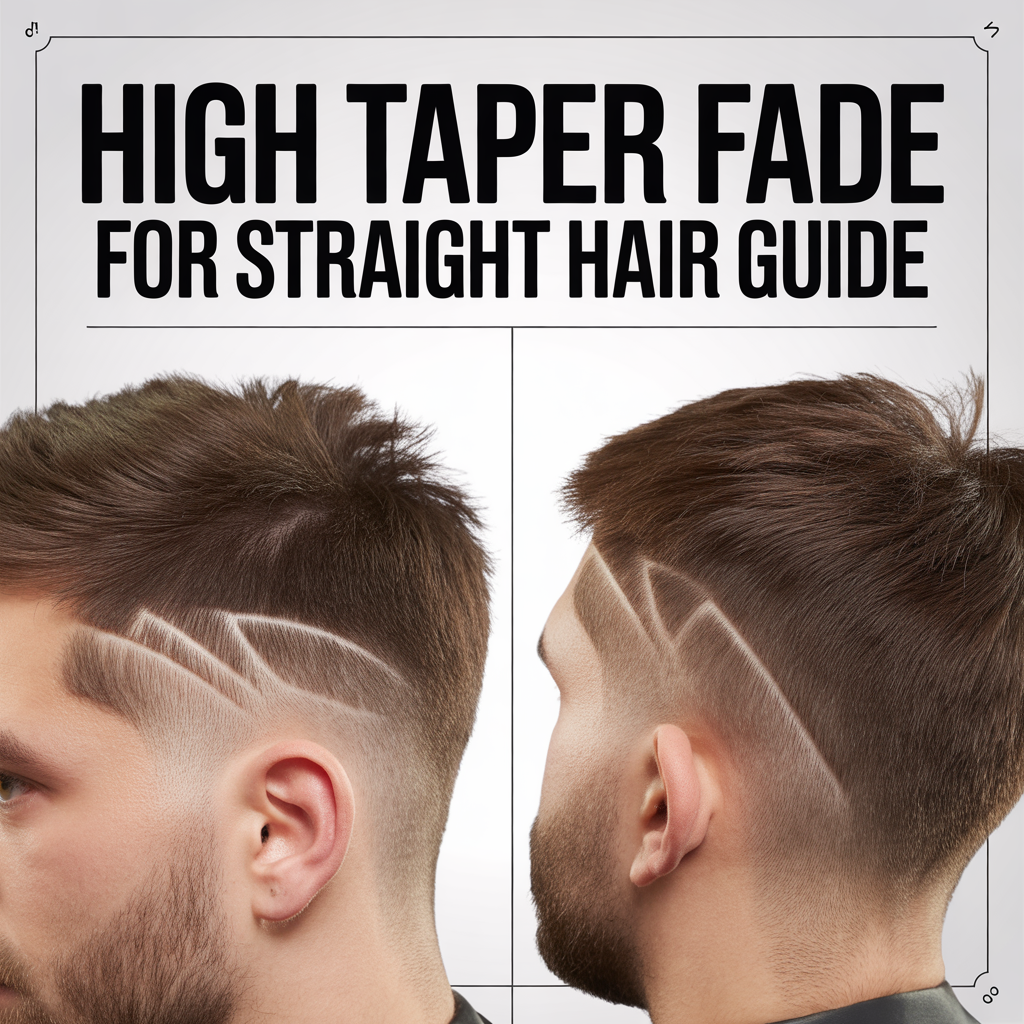
When it comes to high taper fade for straight hair, men are discovering one of the most versatile and sophisticated haircuts available today. This modern style combines the clean, graduated fade that sits high on the sides with the natural texture of straight hair, creating a look that’s both professional and edgy. Having worked with hundreds of clients over the years, I’ve seen first hand how this particular combination transforms not just appearance, but confidence.
Straight hair offers unique advantages when paired with a high taper fade. The natural smoothness creates crisp lines and sharp contrasts that are difficult to achieve with other hair types. Where curly or wavy hair might soften the transition, straight hair allows the fade to make a bold statement, with each level of graduation clearly visible and precisely defined.
Understanding the High Taper Fade Structure
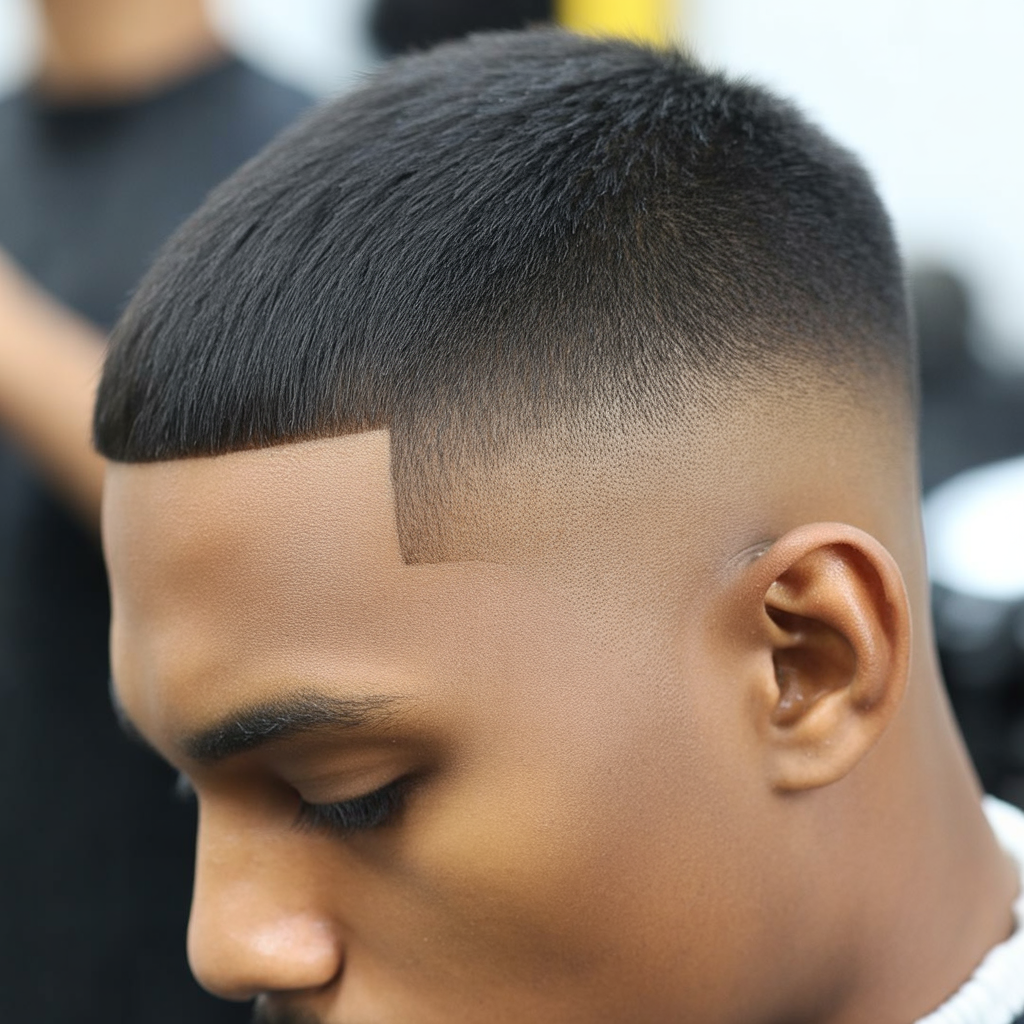
The high taper fade begins its transition approximately two inches above the ear, sometimes higher depending on head shape and personal preference. This positioning is crucial for straight hair because it maximizes the contrast between the longer top section and the faded sides. Master barber James Richardson from London’s prestigious Crown & Collar barbershop explains: “With straight hair, the high taper fade creates what I call the ‘architectural effect.’ The hair on top sits like a sleek structure, while the high fade acts as a clean foundation. The geometry is unmistakable.”
Unlike a traditional fade that might start lower on the head, the high placement draws the eye upward, creating the illusion of height and elongating the face. For men with straight hair, this means the top section—whether styled back, to the side, or with texture—becomes the focal point while the sides remain impeccably clean.
The taper itself is a gradual reduction in length, blending from the longer hair on top down to skin or a very short guard size. The “high” designation simply refers to where this blend begins. The skill lies in creating seamless transitions without visible lines or patches, something that requires both technical precision and an understanding of how straight hair naturally falls.
Why Straight Hair Excels with This Cut
Straight hair has a predictable growth pattern that barbers appreciate when executing a high taper fade. Each strand grows relatively uniformly, making it easier to create those butter-smooth transitions that define an excellent fade. The hair doesn’t curl back on itself or create unexpected volume pockets that might disrupt the gradient.
From a styling perspective, straight hair cooperates beautifully with the sleek aesthetic this cut embodies. Whether you’re going for a slicked-back executive look, a textured modern quiff, or a side-swept professional style, straight hair holds these shapes with minimal product and effort. The natural shine of healthy straight hair also enhances the overall polished appearance.
Tony Martinez, a veteran barber with fifteen years of experience specializing in fades, notes: “Straight hair is like working with a perfectly primed canvas. When I execute a high taper fade on straight hair, I know the client will be able to replicate that sharp look at home much easier than someone with coarser or curlier textures. It’s low-maintenance excellence.”
Modern Styling Variations
The beauty of the high taper fade for straight hair lies in its adaptability to various top styles. The textured crop has become increasingly popular, where the top is cut with point-cutting techniques to create piecey, movable texture. This contrasts beautifully with the clean fade, offering a youthful, contemporary vibe suitable for creative professionals and fashion-forward individuals.
For those in corporate environments, the slicked-back variation remains timeless. The high taper fade keeps the sides and back professional and neat, while three to five inches of length on top can be styled back with a medium-hold pomade or gel. This look communicates confidence and polish without appearing overly conservative.
The side part is experiencing a renaissance, particularly among straight-haired men who want classic sophistication with modern edge. The high taper fade adds contemporary flair to this traditional style, preventing it from looking dated. The key is ensuring the part is sharp and the swept hair maintains volume rather than lying flat against the scalp.
More experimental clients are embracing the disconnected undercut variation, where there’s a deliberate gap between the faded sides and the longer top, creating a striking visual separation. This works exceptionally well with straight hair because the contrast is so pronounced—the sleek top section appears to float above the fade.
Maintenance and Upkeep Realities
One truth about high taper fades that’s important to acknowledge: they require regular maintenance. Because the fade sits high on the head, new growth becomes visible quickly, typically within ten to fourteen days. Straight hair, growing uniformly outward, shows this growth pattern more obviously than curly hair that might coil back on itself.
I recommend clients schedule touch-ups every two to three weeks to maintain that crisp, just-cut appearance. Some men choose to extend this to four weeks, accepting a slightly grown-out look that still maintains the general shape. The frequency ultimately depends on hair growth rate and personal standards for grooming.
Between barbershop visits, the top section requires daily styling for most variations. Straight hair is forgiving in that it doesn’t require extensive manipulation, but it does benefit from quality products. A lightweight styling cream or sea salt spray can add texture and hold without weighing hair down or creating that unwanted “helmet head” effect.
Cleansing routines matter more than many realize. Straight hair can become oily faster than other textures because sebum travels down the hair shaft more easily without curls to slow it. I suggest shampooing every other day for most men, using a quality product that doesn’t strip natural oils completely. On non-shampoo days, a simple water rinse and style is often sufficient.
Technical Execution Considerations
When sitting in the barber’s chair, communication is paramount. Bring reference photos showing not just the fade height but also how you want the top styled. Straight hair photographs well, so finding examples that match your hair type shouldn’t be difficult. Discuss the transition point—where the fade begins—and the shortest length you’re comfortable with at the bottom of the fade.
The cutting technique for the fade itself typically involves clipper work with multiple guard sizes, progressively decreasing length as the barber works downward. Skilled professionals blend these transitions using clipper-over-comb techniques and sometimes shears to eliminate any visible lines. With straight hair, these lines would be glaringly obvious if left unblended, so precision is non-negotiable.
The top section requires separate consideration. For straight hair, the cutting technique affects how the style will sit. Blunt cutting creates density and weight, ideal for slicked-back styles. Point cutting or slide cutting creates texture and movement, better for modern, piece-y looks. Discuss your styling preferences so the barber can cut accordingly.
Sarah Chen, a prominent barber educator, emphasizes: “The consultation is where great haircuts begin. For high taper fades on straight hair, I always ask about lifestyle, styling time availability, and professional requirements. A client who has five minutes in the morning needs a different top section than someone who enjoys a fifteen-minute styling routine.”
Product Selection for Optimal Results
The product market can overwhelm, but straight hair with a high taper fade actually simplifies choices. For sleek, polished styles, pomades with medium to high shine work beautifully. Water-based formulas offer easier washing and re-styling throughout the day without buildup.
For textured, modern looks, matte clays and pastes provide hold without shine, creating that effortlessly styled appearance. Application technique matters: work product through damp (not wet) hair, using fingers to create separation and movement. Straight hair grabs product readily, so start with a small amount—you can always add more.
Dry shampoo deserves mention as an underrated styling aid. On second or third-day hair, a light application at the roots adds texture and absorbs oil, making straight hair easier to style and giving it more grip. This is particularly useful for men growing out their top section to achieve more styling versatility.
Heat styling tools—blow dryers, straighteners, or even heated brushes—can elevate results significantly. A blow dryer with a concentrator nozzle allows you to direct airflow precisely, adding volume at the roots or smoothing the hair into your desired shape. For straight hair, heat styling usually takes just minutes but dramatically improves the finished look.
Face Shape Compatibility
The high taper fade for straight hair flatters most face shapes but truly excels with certain structures. Oval faces, considered the most balanced, can carry any variation of this style effortlessly. The high fade maintains proportions without adding or reducing perceived face length.
Round faces benefit from the vertical emphasis created by the high fade and volume on top. This elongates the face visually, creating more balanced proportions. Styling the top with height rather than combing it flat enhances this effect. Men with round faces should avoid styles that add width at the temples, instead opting for height and forward movement.
Square and rectangular faces pair beautifully with this cut. The strong jawline characteristic of these shapes finds harmony with the angular, defined lines of a high taper fade. Straight hair styled with slight texture on top softens the overall look just enough to prevent an overly harsh appearance while maintaining masculine structure.
Heart-shaped faces, wider at the forehead and narrowing to the chin, sometimes require adjustment. Keeping moderate volume on top without excessive height prevents drawing more attention to the forehead. A slightly lower starting point for the fade—perhaps two inches rather than three—can also balance proportions more effectively.
Connecting to Your Overall Grooming
This haircut exists as part of a complete grooming routine, not in isolation. Facial hair pairs exceptionally well with the high taper fade, creating cohesive style. A well-maintained beard connects to the fade seamlessly, with many barbers blending the sideburns into the fade for a unified look. Even light stubble benefits from having its neckline and cheek lines defined in harmony with the haircut.
Skincare deserves attention, particularly for the exposed skin on the sides and back of the head. The high fade reveals areas that were previously covered, often showing sun damage or uneven tone. A simple routine including cleanser, moisturizer with SPF, and occasional exfoliation keeps these areas looking their best.
The psychological impact of a sharp high taper fade shouldn’t be underestimated. There’s a confidence that comes with knowing you look put-together and current. For men with straight hair, this style delivers that confidence with relative ease—it’s modern without being trendy, professional without being boring, and sophisticated without being high-maintenance.
Looking Forward: The Evolution of This Style
Hairstyle trends cycle, but the fundamental appeal of a well-executed fade remains constant. The high taper fade for straight hair represents the current evolution of classic barbering meeting modern aesthetics. We’re seeing increased personalization, with clients requesting specific fade heights, unique line work, and customized top sections that reflect individual personality.
Technology is influencing the craft as well. Better clipper technology allows for more precise work, while social media platforms provide endless inspiration and education for both barbers and clients. This democratization of barbering knowledge means clients arrive more informed and with clearer visions for their desired outcomes.
For those considering this style, the investment pays dividends in daily confidence and ease of grooming. The high taper fade for straight hair isn’t just a haircut—it’s a commitment to maintaining a polished appearance that projects competence and style. When executed properly and maintained consistently, it becomes part of your personal brand, something people associate with you and your attention to detail.
For more comprehensive information about high taper fade variations and styling options, explore our complete guide on high taper fade haircuts for men, where you’ll find additional techniques, style inspiration, and expert advice for achieving your ideal look.
FAQs
How often should I get my high taper fade trimmed with straight hair? Most men with straight hair need touch-ups every 2-3 weeks to maintain the crisp, fresh appearance of a high taper fade. Straight hair shows growth more obviously than curly hair because it grows outward uniformly. If you prefer a sharper look constantly, visit your barber every two weeks; if you’re comfortable with slight growth, three to four weeks is acceptable.
Can thin or fine straight hair work with a high taper fade? Absolutely. In fact, fine straight hair often looks exceptional with this cut because the contrast between the faded sides and the top creates the illusion of more density on top. Ask your barber to preserve as much length and volume as possible on the top section, and consider texturizing techniques that make fine hair appear fuller.
What’s the difference between a high taper fade and a high skin fade for straight hair? A high taper fade gradually reduces hair length but typically doesn’t go down to skin, stopping at a very short clipper guard. A high skin fade (or bald fade) blends all the way down to bare skin. Both start high on the head, but the skin fade creates a more dramatic contrast—ideal for straight hair that can showcase the stark difference.
How long does the top need to be for a high taper fade with straight hair? The top section can range from 1.5 inches for a short textured crop up to 5-6 inches for slicked-back styles or pompadours. For straight hair, 2-4 inches offers maximum versatility, allowing you to style it multiple ways—textured and messy, slicked back, or side-swept—depending on the occasion.
Will a high taper fade make my face look rounder? Quite the opposite. The vertical lines and upward eye movement created by a high taper fade typically elongate the face. If you have a round face, adding height on top through styling further enhances this lengthening effect. The key is avoiding styles that add width at the temples.
What products work best for styling straight hair with a high taper fade? For sleek styles, medium-hold pomades or gels work excellently. For textured, modern looks, matte clays or pastes provide hold without shine. Sea salt spray adds texture to damp hair before blow-drying. Start with water-based products for easier washing and re-styling capability throughout the day.
Can I style a high taper fade differently for work and weekends? Yes, this is one of the style’s greatest advantages. Slick your straight hair back or to the side with pomade for professional settings during the week. On weekends, use matte clay to create a textured, piece-y look that’s more relaxed and casual. The fade remains sharp in both contexts.
How do I prevent my straight hair from looking flat on top with a high taper fade? Blow-dry your hair while it’s damp, directing airflow at the roots to create lift. Apply volumizing products to damp hair before drying. Use your fingers or a brush to lift hair away from the scalp as you dry. Consider asking your barber for internal texturizing that removes weight without affecting surface appearance.
Is a high taper fade appropriate for professional corporate environments? Yes, when styled appropriately. The high taper fade is widely accepted in corporate settings, especially when the top is kept neat—either slicked back, side-parted, or styled conservatively. The fade itself is clean and professional. Avoid extreme styling, bright hair colors, or radical lengths on top for traditional corporate roles.
What should I tell my barber to get the perfect high taper fade for my straight hair? Bring reference photos showing both the fade placement and top style you want. Specify how high you want the fade to start (usually 2-3 inches above the ear). Discuss the shortest length at the bottom of the fade (skin, 0.5 guard, or 1 guard). Explain how you typically style your hair and how much time you dedicate to grooming daily.