
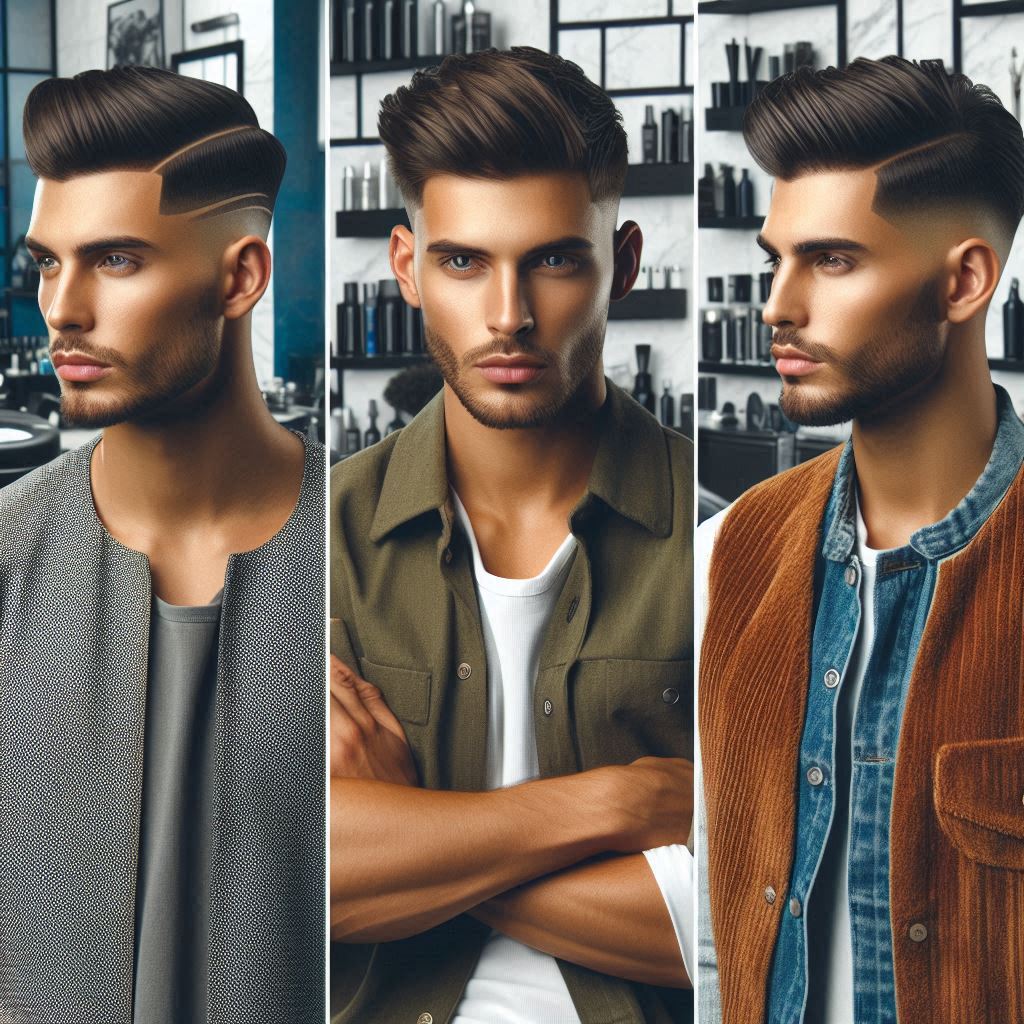
The taper fade has become one of the most requested haircuts in barbershops worldwide, offering a perfect balance between classic style and modern edge. Unlike dramatic skin fades that go completely bald on the sides, taper fades maintain a more natural, gradual transition from longer hair on top to shorter sides. This makes them incredibly versatile for both professional and casual settings.
When choosing between a Low Taper Fade vs Mid Taper Fade vs High Taper Fade, the key difference lies in where the fade begins on your head. This starting point dramatically affects the overall look, maintenance requirements, and styling possibilities. A low taper offers subtle sophistication, a mid taper provides balanced versatility, while a high taper delivers bold contrast.
In this comprehensive guide, we’ll break down everything you need to know about these three essential taper fade styles. You’ll learn:
The exact starting points and visual effects of each fade
Which face shapes and hair types work best for each style
Maintenance requirements and styling recommendations
Celebrity inspiration for each taper fade variation
By the end, you’ll know exactly which taper fade to request at your next barber appointment to achieve your ideal look.
Low Taper Fade vs Mid Taper Fade vs High Taper Fade
What Exactly Is a Taper Fade?
Before comparing the three main types, let’s clarify what makes a taper fade unique. A taper fade differs from regular fades in several important ways:
- Gradual Transition – Unlike sharp fades that create dramatic contrast, taper fades blend hair lengths more smoothly
- No Complete Skin Exposure – Even at their shortest point, taper fades maintain some hair rather than going completely bald
- Natural Neckline – The hair blends seamlessly into the natural hairline rather than having hard lines
- Versatile Styling – Works with everything from professional looks to more creative styles
Taper fades have become particularly popular because they offer the clean, polished look of a fade while maintaining more hair for styling versatility. They’re also more forgiving as they grow out compared to skin fades.
Low Taper Fade: The Subtle Professional Choice
Starting Point and Visual Effect
The low taper fade begins its transition just above the ears, creating the most subtle and conservative version of the taper fade. This style maintains most of the hair’s length while still providing that clean, tapered effect around the edges.
The gradual shortening is so slight that from the front, it might not even be immediately noticeable as a fade. This makes it perfect for workplaces with strict grooming standards or men who prefer a more traditional look.

Best Hair Types and Face Shapes
Low taper fades work particularly well for:
- Men with fine or thinning hair (the extra length adds fullness)
- Round face shapes (helps elongate the face)
- Those with receding hairlines (draws less attention to hair loss)
Maintenance Requirements
One of the biggest advantages of the low taper fade is its low maintenance:
- Only needs trimming every 4-6 weeks
- Grows out very naturally without obvious lines
- Easy to maintain with basic at-home clippers
Styling Recommendations
This fade pairs perfectly with:
- Classic side parts
- Textured crops
- Slicked back styles
- Business-appropriate looks
Celebrity Inspiration
Famous low taper fade wearers include:
- David Beckham
- Idris Elba
- Michael B. Jordan (often wears this for red carpet events)
Mid Taper Fade: The Perfect Balance
Starting Point and Visual Effect
The mid taper fade begins about half an inch above and behind the ears, creating what many consider the “Goldilocks” of taper fades – not too subtle, not too dramatic. This version offers noticeable style while remaining appropriate for most settings.
The mid point creates enough contrast to be fashion-forward while maintaining enough hair for versatile styling options. It’s particularly flattering because it naturally frames the face.

Best Hair Types and Face Shapes
Mid taper fades are ideal for:
- Most face shapes (especially oval and square)
- Men with curly or wavy hair (shows off texture beautifully)
- Those wanting one versatile haircut for all occasions
Maintenance Requirements
The mid taper requires moderate upkeep:
- Barber visits every 3-4 weeks recommended
- Needs occasional edge-ups to maintain crisp lines
- Still grows out relatively gracefully
Styling Recommendations
Excellent for:
- Modern pompadours
- Textured quiffs
- Curly top styles
- Business casual looks
Celebrity Inspiration
Stars rocking mid taper fades:
- Chris Hemsworth
- Zayn Malik
- John Legend
High Taper Fade: The Bold Statement
Starting Point and Visual Effect
The high taper fade begins up near the temples, creating maximum contrast between the longer top and shorter sides. This is the most fashion-forward version, offering an edgy yet polished look.
While still maintaining the tapered effect (no complete skin exposure), the high placement makes the style much more noticeable and contemporary. It’s perfect for making a statement while keeping things refined.

Best Hair Types and Face Shapes
High taper fades work best for:
- Square or angular face shapes (enhances strong features)
- Men with thick hair (handles the contrast well)
- Those in creative fields or casual work environments
Maintenance Requirements
This style demands more attention:
- Needs trimming every 2-3 weeks
- Requires precise blending to look sharp
- More obvious when growing out
Styling Recommendations
Pairs well with:
- Faux hawks
- Spiky textured tops
- Hard parts and designs
- Modern disconnected styles
Celebrity Inspiration
High taper fade icons include:
- LeBron James
- Jason Derulo
- Odell Beckham Jr.
Choosing Your Perfect Taper Fade
Face Shape Guide
- Round faces: Low or mid taper to elongate
- Square faces: High taper to accentuate angles
- Oval faces: Any option works
- Diamond faces: Mid taper balances proportions
Lifestyle Considerations
- Corporate jobs: Stick to low or mid
- Creative fields: High taper makes a statement
- Low maintenance needs: Choose low taper
- Frequent styler: High taper offers most versatility
Hair Type Recommendations
- Fine hair: Low taper adds fullness
- Thick hair: High taper reduces bulk
- Curly hair: Mid taper showcases texture best
- Straight hair: All options work well
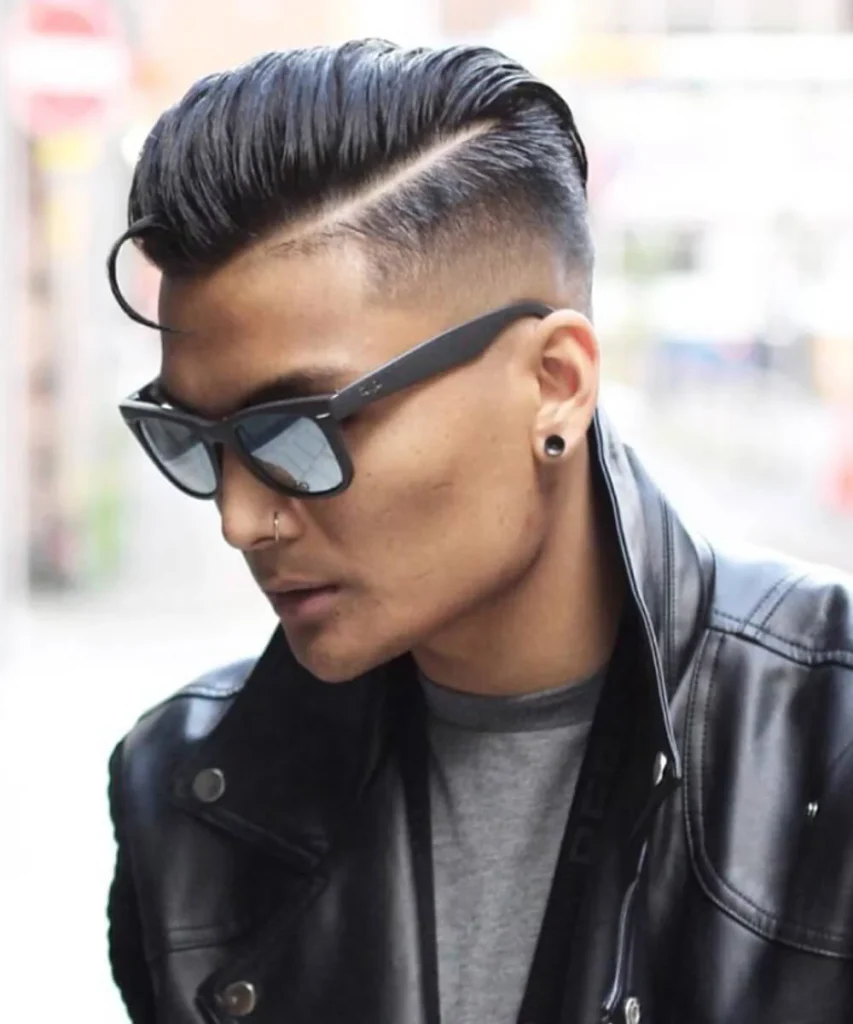

Maintenance and Styling Tips
Keeping Your Taper Fresh
- Low taper: 4-6 week trims
- Mid taper: 3-4 week touch-ups
- High taper: 2-3 week barber visits
Essential Products
- Matte paste: For natural texture
- Pomade: For sleek, polished looks
- Sea salt spray: For added volume
- Edge control: For crisp lines
At-Home Care
- Invest in quality clippers for touch-ups
- Use a boar bristle brush for distribution
- Apply moisturizer to tapered areas
- Protect hair at night with silk pillowcases
Final Recommendation
After comparing all three options, the mid taper fade emerges as the most universally flattering choice. It offers the perfect balance of style and wearability, working for nearly all face shapes, hair types, and occasions.
However, your ideal taper fade ultimately depends on your personal style and lifestyle needs:
- For subtle professionalism → Low taper
- For versatile everyday wear → Mid taper
- For bold fashion statements → High taper
Whichever you choose, bring reference photos to your barber to ensure you get exactly the look you want. The taper fade remains one of the most flattering and stylish options in men’s grooming today.
FAQs
What’s the main difference between a low, mid, and high taper fade?
The core difference is where the fade starts on your head. A low taper begins just above the ears for the most subtle transition, a mid taper starts about half an inch above and behind the ears for a balanced look, and a high taper begins near the temples for the most dramatic contrast. The higher the starting point, the bolder and more noticeable the fade.
Which taper fade is best for a first-timer trying a fade?
The mid taper fade is generally the safest starting point. It’s noticeable enough to feel like a real style change but not as dramatic or high-maintenance as a high taper, making it easier to grow out or adjust if you decide it’s not for you.
Can I switch between low, mid, and high taper on the same head of hair?
Yes. Since all three are variations of where the fade begins rather than a completely different cutting technique, you can move between them at different appointments. Just keep in mind that going from a low to a high taper requires cutting more hair off, so it’s a bigger jump than going the other direction.
Which taper fade is most appropriate for a corporate office?
Low and mid taper fades are typically the safest choices for conservative workplaces, since they maintain more length and create a subtler transition. High taper fades, while still professional-looking, tend to draw more attention and may be better suited to more casual or creative work environments.
Do taper fades work well with curly or textured hair?
Yes, all three taper fades can work with curly or textured hair, though the mid taper is often highlighted as especially flattering since it shows off natural texture on top while keeping the sides manageable. Curlier hair may need more frequent visits to keep the taper crisp as it grows.
How much shorter is a high taper fade compared to a low taper fade?
The difference isn’t necessarily in the shortest length used, but in how much of the head that shortest length covers. A high taper exposes more of the tapered area near the temples and above, while a low taper keeps that closer-cropped section confined to a narrow band just above the ears.
Will a taper fade suit me if I have a receding hairline?
A low taper fade is often recommended in this situation, since it keeps more length overall and draws less attention to the hairline. Higher tapers create more contrast near the temples, which can sometimes emphasize a receding hairline rather than soften it.
How do I ask my barber for a specific taper fade height?
The clearest way is to reference the starting point in relation to your ear — for example, “a low taper starting just above my ear” or “a high taper starting near my temple.” Bringing a reference photo alongside this description helps ensure you and your barber are on the same page.
Does a higher taper fade require more frequent barbershop visits?
Yes. As a general guide, low tapers typically need a trim every 4-6 weeks, mid tapers every 3-4 weeks, and high tapers every 2-3 weeks. The higher and more defined the fade, the faster it shows growth, since new hair growth is more visible against the shorter, more contrasted sides.
Is one taper fade objectively better than the others?
No – the “best” taper fade depends on your face shape, hair type, lifestyle, and maintenance preferences rather than any universal ranking. That said, the mid taper is often considered the most broadly flattering and versatile option, which is why many first-time fade wearers start there.