
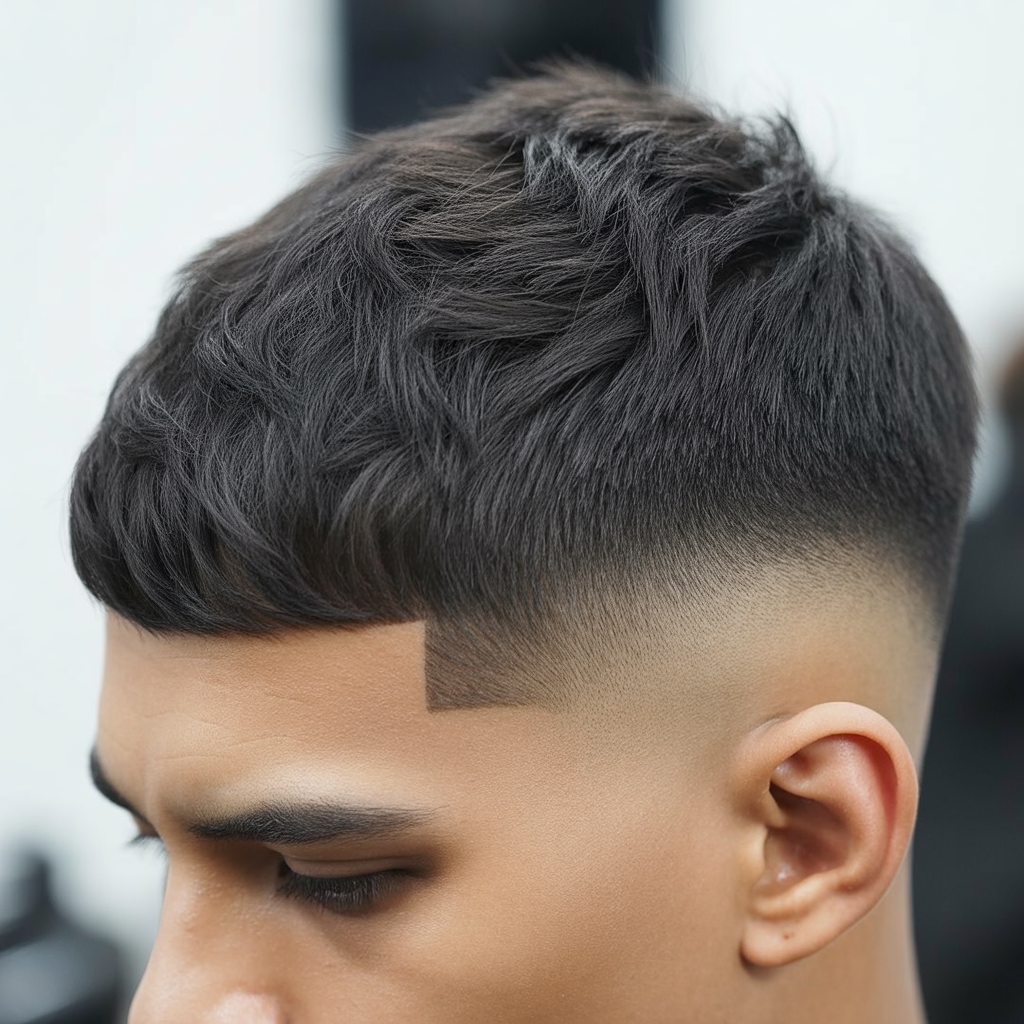
The low taper fade with textured French crop has emerged as one of the most requested haircuts in British barbershops over the past two years, and for good reason. This contemporary style masterfully combines the clean, graduated lines of a low taper fade with the textured, forward-styled fringe of a French crop, creating a look that’s both sophisticated and effortlessly cool.
As someone who’s spent considerable time observing trends in men’s grooming, I’ve noticed this particular combination resonates with men across different age groups and professions. The style works equally well in corporate boardrooms and creative studios, offering versatility that few haircuts can match.
Low Taper Fade with Textured French Crop

Understanding the Low Taper Fade with Textured French Crop
Before diving into styling techniques and maintenance, it’s essential to understand what makes this haircut distinctive. The low taper fade begins the graduation just above the ears, creating a subtle transition from longer hair on top to shorter hair on the sides and back. Unlike a skin fade that goes down to bare skin, a taper fade maintains some hair length throughout, resulting in a more conservative, workplace-appropriate finish.
The textured French crop component features short to medium-length hair on top with a horizontal, textured fringe that sits forward across the forehead. The “textured” element is crucial here it refers to the strategic layering and point-cutting techniques barbers use to create movement, dimension, and a deliberately tousled appearance rather than a blunt, heavy fringe.
According to Tom Chapman, founder of the Lions Barber Collective, “The French crop has evolved significantly. What we’re seeing now is clients requesting more texture and individuality. The combination with a low taper fade creates a modern silhouette that feels fresh but won’t look dated in twelve months.”
Why This Style Works: The Technical Perspective
From a technical standpoint, the low taper fade with textured French crop succeeds because it addresses multiple styling concerns simultaneously. The low fade keeps the sides neat and manageable whilst the textured top provides enough hair to work with for styling variety.
The positioning of the fade is particularly clever. Starting low means less frequent maintenance compared to mid or high fades—you’ll typically need touch-ups every three to four weeks rather than every ten days. This makes the style more practical for men with busy schedules or those who prefer less frequent barbershop visits.
The textured French crop portion complements various face shapes, particularly those with rounder or square facial structures. The horizontal fringe creates a counterbalance, whilst the texture prevents the style from appearing too heavy or severe.
Hair Type Considerations
One aspect I find particularly important to discuss is how this cut adapts to different hair types. The textured French crop element works exceptionally well with:
Straight Hair: Provides the cleanest lines and easiest styling. The texture needs to be created through cutting techniques and product application.
Wavy Hair: This is where the style truly shines. Natural wave patterns enhance the textured appearance, requiring minimal product to achieve the desired tousled look.
Thick Hair: Benefits from the weight removal that texturising provides. Your barber will likely use thinning shears or a razor to reduce bulk whilst maintaining the fringe length.
Fine Hair: Can work well, though requires more strategic cutting. Point-cutting techniques create the illusion of fuller, more textured hair.
Barber and educator Sid Sottung notes, “The key with finer hair is not over-texturising. We want to create movement without making the hair appear wispy or thin. It’s about finding that balance between texture and density.”
The Cutting Process: What to Expect
Understanding what happens during the cut helps you communicate effectively with your barber and maintain realistic expectations. Here’s what a skilled barber typically does:
The fade work begins with clippers, usually starting with a guard size around #2 or #3 at the bottom, gradually working up to the disconnection point where the longer top hair begins. The barber will use clipper-over-comb or scissor-over-comb techniques to create the smooth gradient that defines a quality taper fade.
For the top section, the barber establishes the fringe length first—typically between 1.5 to 3 inches depending on your preference and face shape. The texturising comes through point-cutting (cutting into the hair at angles rather than straight across), slicing techniques, and potentially razor work. This removes weight strategically whilst maintaining length where needed.
The transition between the fade and the top is critical. A harsh line looks unfinished; the blend should be seamless. Experienced barbers spend considerable time on this area, ensuring the low taper fade flows naturally into the textured crop.
Styling Your Low Taper Fade with Textured French Crop
The practical styling process is refreshingly straightforward, which contributes to this cut’s popularity among men who want style without extensive morning routines.
Daily Styling Routine:
Start with damp hair—not soaking wet, but towel-dried so it’s still slightly moist. This is when hair is most pliable and receptive to styling products.
Take a small amount of styling product (roughly a 5p coin size for medium-length hair, adjust as needed) and emulsify it between your palms. The warming action makes product distribution more even.
Work the product through the top section, starting from the back and moving forward. Use your fingers to create separation and texture rather than combing everything flat.
For the fringe, push the hair forward and slightly to one side if desired. The textured cut means you don’t need perfect placement—the messier, more natural appearance is actually the goal.
Finish with a light blow-dry on medium heat if you want more volume, or let it air dry for a more relaxed texture. The low fade requires no styling—just ensure it’s clean and dry.
Product Recommendations Based on Hair Type and Desired Finish
Product choice significantly impacts your results. Here’s what works best for different situations:
For Natural, Matte Finishes: Clay or clay-based pomades provide excellent hold whilst maintaining a natural appearance. These work particularly well for professional environments where you want style without obvious shine.
For Medium Hold with Slight Shine: Creams or medium-hold pomades offer versatility. They provide structure whilst allowing the hair to move naturally throughout the day.
For Maximum Texture: Sea salt sprays or texture powders enhance the tousled appearance. Apply these to damp hair before your main styling product for amplified texture.
For Fine Hair: Volumising mousses or lightweight pastes add body without weighing hair down. Avoid heavy waxes or oils that can make fine hair appear flat or greasy.
Professional hairstylist Jamie Stevens advises, “Less is genuinely more with textured crops. You can always add product, but removing excess is difficult and often requires rewashing. Start minimal and build up if needed.”
Maintenance and Barbershop Visits
Maintaining your low taper fade with textured French crop involves both home care and regular barbershop appointments. The fade requires more frequent attention than the top—expect to visit your barber every 3-4 weeks to keep the taper looking sharp.
Between appointments, home maintenance is minimal. Quality shampooing and conditioning keeps the hair healthy, whilst the textured cut means small amounts of growth don’t dramatically alter the style’s appearance.
When booking appointments, communicate clearly with your barber. Bring reference photos if you’re establishing the style for the first time, and be specific about fade height, fringe length, and the degree of texture you prefer.
Face Shape Compatibility
Whilst this style suits many face shapes, understanding how it complements your features helps optimise the look:
Oval Faces: This is the most versatile face shape—the low taper fade with textured French crop works without modifications.
Round Faces: The horizontal fringe and volume on top create length, counterbalancing roundness. Request slightly more height on top for best results.
Square Faces: The textured softness of the crop balances strong jawlines beautifully. Consider asking your barber to soften the corners around the temples.
Heart-Shaped Faces: The fringe helps balance a wider forehead with a narrower chin. Ensure the fringe isn’t too heavy, which could overemphasize the forehead.
Long Faces: This can work but requires careful execution. Keep volume moderate and ensure the fringe isn’t too short, which could elongate the face further.
Common Mistakes and How to Avoid Them
Through conversations with barbers and observations of this style, several common pitfalls emerge:
Over-Texturising: Requesting too much texture can make hair appear thin or damaged. Trust your barber’s judgement about appropriate texturising for your hair density.
Incorrect Product Application: Applying styling products to bone-dry hair reduces effectiveness and can create a stiff, unnatural appearance. Always work with slightly damp hair.
Neglecting the Fade: The low taper fade requires maintenance. Letting it grow out for six or more weeks creates an unkempt appearance that undermines the style’s polished nature.
Fighting Your Hair Type: If you have extremely curly or coily hair, forcing it into a textured French crop may require excessive heat styling and damage. Consider alternative styles that work with your natural texture.
Seasonal Considerations
The low taper fade with textured French crop performs differently across seasons, which is worth considering:
Summer: The shorter sides provide excellent heat management. The textured top allows airflow whilst protecting the scalp from direct sun. Use products with UV protection to prevent colour fading.
Winter: The style works well under hats—the textured nature means slight compression doesn’t ruin the look. Upon removing a hat, simply run your fingers through the top to restore texture.
Humid Conditions: Wavy hair types may experience enhanced texture (sometimes welcome, sometimes not). Anti-humidity products can help maintain your desired look if natural wave enhancement becomes problematic.
Variations to Discuss with Your Barber
The beauty of this style lies in its adaptability. Consider these variations:
Disconnected Low Taper: A more dramatic transition between the fade and top creates contemporary edge.
Skin Fade Hybrid: Requesting the taper to go to skin at the very bottom combines the subtlety of a taper with some skin fade crispness.
Longer Fringe: Extending the fringe length creates more dramatic styling options, though requires more maintenance.
Coloured Accents: Adding subtle highlights or lowlights to the textured top enhances dimension and movement.
The Professional Perspective: Why Barbers Recommend This Cut
Speaking candidly with barbers reveals why they frequently recommend the low taper fade with textured French crop. It’s a technically satisfying cut that showcases their fading skills whilst the texturising demonstrates their precision work. More importantly, it’s a style that makes clients look sharp with minimal effort, which means satisfied customers who return regularly.
Barber Marcus Harvey explains, “This cut hits the sweet spot between trendy and timeless. Clients feel contemporary without worrying their haircut will look dated in photos five years from now. That confidence is what we’re really providing alongside the technical service.”
Real-World Versatility
Perhaps the most compelling aspect of this style is its chameleon-like adaptability. Style it forward and messy with matte clay for weekend casualness. Apply a medium-shine pomade and comb it slightly to the side for work presentations. The low fade ensures you always look groomed, whilst the textured top provides styling flexibility.
This versatility extends to dress codes. I’ve observed this haircut looking equally appropriate with everything from casual streetwear to formal business attire. The key is adjusting your styling approach and product choice to match your context.
Cost Considerations
Understanding the financial commitment helps with planning. The initial cut typically costs between £20-40 depending on your location and barbershop (London and major cities trend higher). Factor in monthly maintenance appointments at similar prices.
Quality styling products range from £8-25 and last 2-4 months depending on usage. This makes the overall investment moderate compared to some higher-maintenance styles, particularly considering the relatively infrequent barbershop visits needed.
Making the Decision: Is This Style Right for You?
Consider the low taper fade with textured French crop if you:
- Want a modern style that doesn’t require extensive morning routines
- Prefer haircuts that remain professional for various settings
- Have straight to wavy hair textures (though other types can work with skilled cutting)
- Can commit to monthly barbershop maintenance
- Appreciate styles with versatile styling options
This might not be ideal if you:
- Prefer very low-maintenance styles requiring minimal barbershop visits
- Have very tight curls you want to showcase (other styles complement this better)
- Dislike having a fringe or hair touching your forehead
- Want maximum length on top for elaborate styling
Final Thoughts
The low taper fade with textured French crop represents contemporary men’s hairstyling at its most practical and refined. It acknowledges that modern men want to look sharp without dedicating excessive time to grooming routines. The combination of a subtle, gradually faded back and sides with a textured, moveable top creates visual interest whilst remaining appropriate for various contexts.
What I find most impressive about this style is how it democratises good grooming. It doesn’t require expensive products, elaborate techniques, or professional-level styling skills. Quality cutting from a skilled barber does the heavy lifting, whilst your minimal daily maintenance keeps it looking fresh.
Whether you’re considering this cut for the first time or looking to refine your existing style, remember that communication with your barber is paramount. Bring reference photos, discuss your hair type and lifestyle, and be honest about your styling commitment level. A good barber will adapt the low taper fade with textured French crop to suit your individual needs, creating a personalised version of this versatile style.
FAQs
How often should I get my low taper fade with textured French crop trimmed?
You should visit your barber every 3-4 weeks to maintain the fade’s sharpness. The textured top can go slightly longer between cuts—up to 6-8 weeks if you don’t mind some additional length. However, the fade portion grows out noticeably and benefits from more frequent attention. If budget or time is limited, prioritise the fade maintenance over the top section.
Can I style a textured French crop without heat tools?
Absolutely. The textured French crop works brilliantly with air-drying. Apply your styling product to damp hair, use your fingers to create texture and direction, then allow it to dry naturally. The pre-cut texture means the style forms naturally as it dries. Heat tools can add volume if desired but aren’t necessary for a great result.
What’s the difference between a textured French crop and a regular French crop?
A regular French crop typically features a blunt, horizontal fringe cut straight across with minimal layering. The textured version incorporates point-cutting, slicing, and layering techniques that create movement, dimension, and a deliberately undone appearance. The textured version appears less severe and offers more styling versatility than its traditional counterpart.
Will a low taper fade with textured French crop suit my receding hairline?
Yes, this can actually be an excellent choice for receding hairlines. The forward-styled fringe camouflages recession at the temples, whilst the low fade draws attention to the well-maintained sides. Discuss your concerns with your barber—they can adjust the fringe length and angle to complement your specific hairline pattern.
How much styling product should I use for this haircut?
Start with approximately a 5p coin-sized amount for medium-length hair. This seems surprisingly small but distributes effectively when emulsified between your palms first. You can always add more if needed, but starting conservatively prevents the over-application that creates stiff, unnatural results. Fine hair may need slightly less, whilst thick or longer hair may require marginally more.
Can I get this style if I have curly hair?
The low taper fade works beautifully with curly hair, but the textured French crop requires modification. Loosely wavy to loosely curly hair (type 2B-3A) can achieve this style with proper cutting and product. Tighter curl patterns might consider alternative styles that better showcase natural curl definition, though a skilled barber specialising in curly hair cutting may offer adapted versions worth exploring.
What products work best for a matte, natural finish?
Clay-based products and matte pastes provide excellent hold with no shine. Look for products specifically labelled “matte clay” or “texture clay.” Brands like Hanz de Fuko Claymation, Uppercut Deluxe Matte Clay, or Layrite Cement Clay are popular choices. Apply to damp hair and work through with your fingers for best results.
How do I describe this haircut to a new barber?
Say: “I’d like a low taper fade—starting the fade just above my ears—with a textured French crop on top. I want the fringe around [specify length: 2-3 inches is common], styled forward, with plenty of texture through point-cutting or layering for a natural, piece-y look.” Bringing reference photos alongside this verbal description ensures the clearest communication.
Is this haircut appropriate for professional office environments?
Yes, the low taper fade with textured French crop is entirely office-appropriate. The low positioning of the fade makes it more conservative than mid or high fades, whilst the textured crop looks polished when properly styled. Use matte products for the most professional appearance, and ensure you maintain regular barbershop appointments to keep the fade looking sharp.
Can I transition from a different hairstyle to this cut easily?
Transitioning depends on your current length and style. If you currently have medium to long hair on top, your barber can achieve the textured crop immediately. If you have very short hair all over (like a buzz cut), you’ll need to grow the top out for several weeks before the French crop element is achievable, though the low taper fade can be established right away. Discuss your timeline expectations with your barber for a realistic transition plan.