
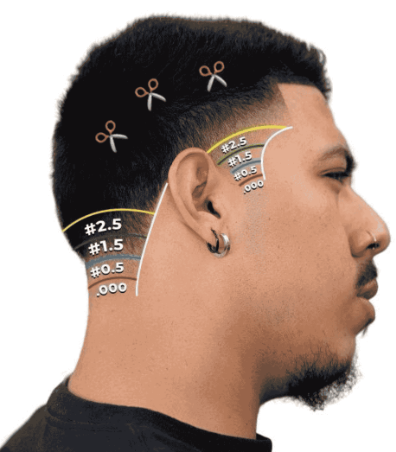
You walked out of the barber chair looking sharp – clean lines, a precise gradient, everything perfectly blended. But a week later you catch yourself in the mirror and something feels off. The edges are softening, the fade is losing its definition, and that crisp high taper is starting to look more like a grown-out mess. Sound familiar?
How often should you refresh a high taper fade is one of the most commonly asked questions men have about maintaining their look – and yet it gets surprisingly little detailed attention. The short answer most barbers give is every 2 to 3 weeks. But the real answer depends on your hair texture, growth rate, lifestyle, and the specific style of fade you wear.
In this guide, we dig into the actual science and professional insight behind fade maintenance – so you can make smarter decisions about your booking schedule and keep your high taper fade looking intentional, not neglected.
Key Points: What You Need to Know Upfront

- Most men should book a refresh every 2–3 weeks to maintain a sharp high taper fade.
- Hair grows roughly 0.5 inches per month on average — but individual variation is significant.
- Thicker or coarser hair types tend to show growth and fade blur faster than finer hair.
- The higher the fade starts on the head, the quicker it visually deteriorates.
- Between appointments, the right grooming routine can extend the life of your fade by several days.
- Letting a high taper go beyond 4 weeks without a refresh typically means a full re-cut rather than a tidy-up.
How Hair Growth Actually Affects a High Taper Fade
To understand why fades degrade, you need to understand what a high taper fade actually is. The style involves a gradual gradient that starts close to the skin at the nape and temples, and tapers up toward the top of the head — typically blending into longer length hair on top. The higher and tighter the fade, the more dramatic and precise that gradient needs to be.
The human scalp grows hair at a rate of approximately half an inch per month, though this varies considerably between individuals. What this means practically is that within just two weeks of a fresh cut, you can expect roughly a quarter of an inch of new growth. On a standard haircut that might not matter much. On a precision high taper fade, that growth can cause the gradient to ‘fill in’ — especially in the key blending zones near the temples and behind the ears.
“A high taper fade relies on very deliberate transitions between lengths. Even a small amount of new growth in the wrong zone will cause the line to blur and the whole cut starts to look unintentional.”
— Jordan Mills, Master Barber with 12 years of experience in precision fading
The key insight here is that fade maintenance isn’t simply about waiting until hair looks long. It’s about preventing the blending zones from becoming unrecognisable — because once they blur, the style loses its entire character.
Types of High Taper Fades and How Maintenance Varies by Style
Not all high taper fades are equal, and the specific variation you wear has a direct impact on how frequently you’ll need to visit the barber. Check out our full breakdown of styles in the High Taper Fade Haircuts for Men guide — but here’s a practical maintenance breakdown by style type.
High Skin Taper Fade (Bald Fade)
This is the most demanding in terms of maintenance. Because the fade goes all the way to bare skin at the base, even a few days of growth creates a visible stubble ‘ring’ that disrupts the clean blend. Most men wearing this style realistically need to visit a barber every 1 to 2 weeks to keep it looking intentional.
High Taper with a Hard Part
The hard part — that razor-etched line that separates the fade from the top — grows in almost immediately. If you’re rocking this style and want the part to remain sharp, you’re looking at a touch-up every 10 to 14 days at minimum. Some men use a razor to maintain the part at home between visits.
High Taper Fade with Natural or Curly Hair
Curly and natural hair textures can sometimes disguise growth more effectively in the upper lengths, but the fade zone itself still blurs just as quickly. Interestingly, some textured hair types — particularly tightly coiled 4C hair — can show the ‘grow-out ring’ at the fade line even more visibly, making a 2-week refresh schedule almost essential.
High Taper with Medium to Long Top
When paired with a longer top — whether that’s a quiff, textured crop, or slick-back — the high taper’s contrast is part of the visual appeal. As the fade grows in, it loses that contrast effect. Men with this style generally find the 2 to 3 week window works well, as the top length gives them a little more time before the overall look starts to seem off.
Maintenance: How to Extend the Life of Your High Taper Fade
The gap between your barber appointments doesn’t have to be a countdown to looking unkempt. With the right at-home routine, most men can add three to five extra days to the life of their fade before it becomes noticeably overgrown.
Keep the Skin Around the Fade Clean and Moisturised
Dry, flaky skin at the nape and temples can make even a fresh fade look dull. Use a lightweight, non-comedogenic moisturiser on the freshly faded skin — this keeps the skin tone even and makes the fade line look cleaner for longer.
Avoid Heavy Product Buildup
Pomades, waxes, and heavy styling creams applied near the fade zone can build up over time and visually obscure the line between lengths. Opt for lighter products and wash the scalp with a clarifying shampoo once a week to prevent residue dulling your fade.
Edge the Neckline at Home
A cordless trimmer is an investment that pays for itself in extended time between barber visits. While attempting to fade at home isn’t recommended without professional training, keeping the neckline and temple edges clean at home can dramatically maintain the overall sharpness of your high taper. Use a T-blade or detail trimmer to gently trace the existing hairline without attempting to blend.
Protect the Fade from Sun and Sweat
UV exposure and excessive sweat can affect both the skin and hair quality around the fade zone. If you’re outdoors frequently — particularly in summer — wearing a cap can actually preserve the fade line by protecting the skin from discolouration and the hair from drying out.
“I always tell my clients: think of a fresh fade like a new pair of white trainers. You wouldn’t neglect them for a month and expect them to still look fresh. Small maintenance habits at home genuinely make a difference.”
— Remi Adeyemi, Session Barber and Grooming Educator
Common Mistakes Men Make With High Taper Fade Maintenance
Waiting Until It ‘Looks Bad’ to Book
This is the most common mistake. By the time a high taper fade looks visibly overgrown to the average person, a barber has to work significantly harder to restore the gradient cleanly. Booking proactively — before you notice the degradation — is always better than reactive maintenance.
Asking for the Same Fade When Hair Has Significantly Grown
If you’ve left it four or five weeks and then ask your barber for the exact same style, the result often won’t look quite right. Grown-out hair changes the natural fall and weight distribution, meaning the barber needs to account for extra length when re-establishing the fade. Communicate openly with your barber about how long it’s been.
Attempting a Home Fade Without Proper Guards
Countless men have reached for their home clippers in a panic, only to create an uneven, patchy disaster that takes two visits to fix. Unless you have specific barbering experience, the fade zone is a no-go for DIY. Stick to neckline and temple edging only.
Using the Wrong Products Near the Fade Line
Heavy waxes and clays applied close to the temples and neckline can clog hair follicles, cause ingrown hairs, and dull the fade line. Keep styling products to the top of the head and use lighter formulas near the tapered areas.
Not Communicating Your Lifestyle to Your Barber
Your barber should know whether you sweat heavily, work outdoors, swim regularly, or have a big event coming up. All of these factors affect how your fade wears and how the barber should approach the cut. A good barber will adjust the fade gradient and taper angle based on your lifestyle — but only if you tell them.
What the Professionals Say: Expert Opinions on Fade Refresh Frequency
We gathered insights from working barbers across the UK, and the consensus is clear but nuanced. While the 2-to-3-week rule is a solid general benchmark, experienced barbers emphasise that individual hair biology plays a much larger role than most men realise.
“Hair growth rate varies by up to 30% between individuals, and that’s before you factor in diet, stress, and even the season — hair genuinely grows faster in warmer months. I’ve got clients who look fresh after three weeks and others who need to see me every ten days. There’s no universal answer.”
— Callum Pearce, Senior Barber and Style Consultant
This aligns with dermatological research, which confirms that anagen phase hair growth — the active growing period — is significantly influenced by nutritional status, hormonal balance, and seasonal variation. Men who are deficient in biotin, iron, or zinc, for instance, may paradoxically find that their fade lasts slightly longer because their overall hair growth rate is suppressed. This is obviously not a desirable solution, but it does illustrate why maintenance frequency is deeply personal.
The broader takeaway from professional barbers is this: establish your own pattern rather than following a generic rule. Track how your fade looks at one week, two weeks, and three weeks after a fresh cut. Photograph it. You’ll quickly identify your personal ‘sweet spot’ — the latest point at which your high taper still looks intentional rather than grown-out.
Final Thought: Consistency Is the Backbone of a Great Fade
The high taper fade is arguably the most technically demanding mainstream haircut available today. It’s a style that rewards consistency — in how often you maintain it, in the products you use, and in the communication you have with your barber. Treating it like a ‘set and forget’ style will always leave you disappointed.
For most men, a refresh every 2 to 3 weeks strikes the right balance between maintaining a sharp appearance and managing the cost and time of regular barber visits. Men with faster hair growth rates, tighter fade styles, or upcoming events may need to adjust toward the shorter end of that window.
If you’re still deciding which style of high taper fade suits you best — or looking for inspiration before your next appointment — our comprehensive guide to High Taper Fade Haircuts for Men covers every variation in detail, with expert tips on choosing the right fade for your face shape and hair type.
A great high taper fade isn’t just a haircut — it’s a commitment. And now you know exactly how to honour it.
Frequently Asked Questions (People Also Ask)
How often should you get a high taper fade touched up?
Most barbers recommend touching up a high taper fade every 2 to 3 weeks. Men with faster hair growth, a skin fade variation, or a hard part may need to visit every 10 to 14 days to maintain the clean gradient.
How long does a high taper fade last?
A high taper fade typically looks its sharpest for the first 7 to 10 days after a fresh cut. After two weeks, most men will notice the gradient beginning to soften. By week four, the fade has usually blurred enough that it requires a full re-cut rather than a simple tidy-up.
Can I refresh a taper fade at home?
You can maintain the edges and neckline at home using a detail trimmer or T-blade, but attempting to re-create or touch up the fade gradient itself is not recommended without professional training. An uneven home fade can take two barber appointments to correct.
Does hair type affect how often you need a fade refresh?
Yes, significantly. Coarser, thicker hair types tend to show new growth more visibly around the fade zone, which can mean more frequent visits. Very fine hair may appear to hold the fade slightly longer because individual hairs are less visible as they grow.
What happens if you wait too long between taper fade appointments?
Waiting too long — typically beyond 4 weeks — means the gradient zone fills in with new growth and loses its definition. At this point, a barber needs to essentially re-establish the fade from scratch rather than simply tidying up, which can take longer and sometimes cost more.
Is a high taper fade high maintenance?
Compared to many other haircuts, yes — a high taper fade is considered a high-maintenance style. The precision required to maintain the gradient means it needs regular professional attention every 2 to 3 weeks to stay looking intentional and sharp.
How do I make my taper fade last longer?
Keep the skin around the fade moisturised, avoid heavy products near the fade line, use a detail trimmer to keep neckline edges clean, and protect the area from excessive sun and sweat. These habits can extend the life of your fade by three to five days between appointments.
Should you wash your hair after a taper fade?
It’s generally recommended to wait at least 24 to 48 hours before washing your hair after a fresh fade. This allows any minor skin sensitivity from the clippers to settle and prevents disrupting the styling products your barber may have used to finish the cut.
How much does it cost to maintain a high taper fade in the UK?
In the UK, a standard fade refresh or tidy-up typically costs between £15 and £30 depending on the barber’s experience level and location. Some barbers offer reduced rates for maintenance-only appointments that don’t require a full restyle.
What’s the difference between a high taper fade and a high skin fade for maintenance?
A high skin fade (also called a bald fade) goes all the way down to bare skin, which means any new hair growth creates an immediate visible stubble ring. This makes skin fades slightly more demanding than a standard taper fade — most men with a skin fade need a refresh every 1 to 2 weeks rather than 2 to 3.